
Life expectancy has increased dramatically over the past century, yet many health experts argue that living longer does not always mean living healthier. Research from the World Health Organization shows that chronic diseases such as cardiovascular illness, diabetes, and dementia continue to place pressure on healthcare systems worldwide. That concern has helped fuel growing public interest in preventive medicine, health optimization, and longevity-focused wellness programs.
Professionals, entrepreneurs, and aging adults are increasingly turning toward specialized clinics that promise more personalized forms of preventive care. Some healthcare observers describe this movement as part of a wider shift toward individualized medicine, where patients seek ongoing monitoring rather than waiting for symptoms to appear. Publications discussing a private longevity medicine institute often frame these facilities as examples of how preventive health services are evolving beyond the traditional annual checkup model.
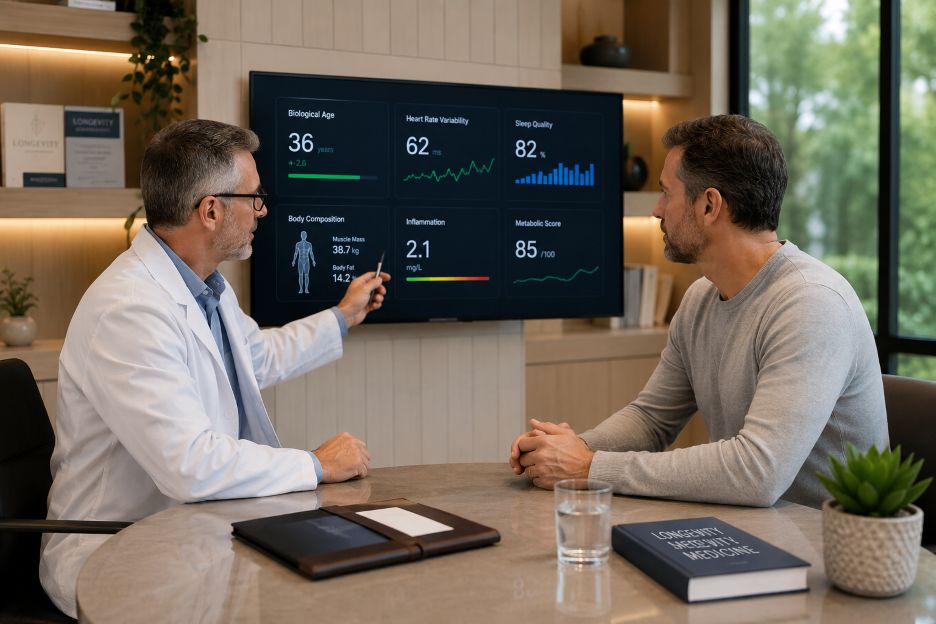
Why Longevity Clinics Are Gaining Attention
Interest in longevity medicine has expanded alongside public awareness of biomarkers, wearable technology, and lifestyle-based disease prevention. Data from McKinsey & Company indicates that the global wellness industry continues to grow as consumers spend more on proactive health management, fitness tracking, and personalized wellness plans.
Many patients are drawn to private longevity clinics because they offer longer consultations, extensive diagnostic testing, and customized health strategies. Standard healthcare appointments are often limited by time constraints and insurance structures. In contrast, longevity-focused centers frequently market themselves around deeper patient engagement and continuous monitoring.
Supporters argue that this model allows physicians to identify risk factors earlier. Instead of reacting after illness develops, clinicians may track blood markers, sleep patterns, metabolic function, and cardiovascular indicators over time. Some programs also combine nutrition guidance, exercise planning, stress management, and advanced laboratory testing into one coordinated system.
Advocates believe this integrated approach better reflects how chronic disease develops gradually across many years. Experts from Harvard Medical School have noted that preventive habits, including physical activity, healthy nutrition, and smoking reduction, remain among the strongest contributors to long-term health outcomes. Longevity clinics attempt to organize those principles into structured wellness programs tailored to individual patients.
The Argument for Personalization
One major reason patients seek these clinics is the desire for personalized care. Traditional healthcare systems are often designed around population-level treatment standards. While that approach supports broad public health goals, some patients feel their individual health histories, genetics, and lifestyle patterns receive limited attention during routine appointments.
Longevity-focused programs usually emphasize customization. Physicians may review family history, body composition, inflammatory markers, hormone levels, sleep quality, and metabolic trends before recommending interventions. This level of detail appeals to people who want more direct involvement in their long-term health planning.
Technology has also changed patient expectations. Wearable devices now track heart rate variability, sleep cycles, exercise recovery, and glucose fluctuations in near real time. Research published by The Lancet Digital Health suggests that digital health monitoring tools may improve patient engagement when combined with clinical oversight.
For some individuals, this creates a sense of empowerment. They feel more informed about how daily behaviors affect long-term wellness. Preventive medicine becomes an ongoing process rather than an occasional doctor visit. Mental health management is increasingly part of that conversation as well. Articles exploring mindfulness and relaxation strategies for performance anxiety reflect growing public interest in how stress reduction, emotional resilience, and recovery habits may influence overall wellness outcomes.
Critics, however, caution that more data does not automatically lead to better outcomes. Extensive testing may identify abnormalities that are clinically insignificant or poorly understood. Some physicians worry that patients could become overly focused on optimization metrics without clear scientific evidence supporting every intervention.
Questions About Accessibility and Equity
Another major debate surrounding private longevity clinics involves accessibility. Many programs operate on membership models that include extensive testing, physician consultations, and continuous monitoring. Costs can range from several hundred to several thousand dollars per month depending on the level of service.
Supporters argue that innovation often begins in private healthcare markets before becoming more widely available. They point to technologies such as genetic sequencing and advanced imaging, which were once expensive and limited but gradually became more accessible over time.
Others see the situation differently. Critics argue that longevity medicine risks creating a two-tier healthcare environment where preventive optimization becomes concentrated among higher-income groups. Public health experts from The Commonwealth Fund have repeatedly highlighted ongoing disparities in healthcare access, particularly in preventive services and chronic disease management.
Some observers question whether healthcare systems should focus more heavily on population-wide prevention efforts rather than individualized premium programs. They argue that broader improvements in nutrition access, exercise opportunities, smoking prevention, and primary care infrastructure may produce larger public health benefits overall.
This tension reflects a larger philosophical divide in modern healthcare. One perspective prioritizes individualized optimization and advanced diagnostics. Another emphasizes scalable public health interventions designed to reach larger populations at lower cost.
The Role of Medical Oversight
Medical oversight remains one of the most important factors shaping public trust in longevity-focused care. Preventive medicine itself is well established, but some longevity interventions exist in areas where scientific evidence is still developing.
Experts from the National Institute on Aging note that healthy aging research continues to evolve, particularly in fields involving cellular aging, metabolic function, and age-related disease prevention. While some interventions show promise, researchers stress the importance of evidence-based evaluation and long-term clinical studies.
This has led to ongoing debate about where longevity medicine should draw the line between established prevention and experimental optimization. Patients increasingly expect physicians to help interpret complex health data responsibly rather than simply offering aggressive anti-aging claims.
Clinics that maintain strong physician oversight often place greater emphasis on lifestyle modification, cardiovascular risk reduction, metabolic health, and preventive screening. These areas generally align more closely with established medical evidence. More controversial treatments, particularly those involving unproven supplements or emerging therapies, continue to face scrutiny from both regulators and healthcare professionals.
The discussion reflects broader changes in how patients view healthcare relationships. Many individuals now expect collaborative communication, deeper education, and more continuous engagement from providers. Longevity clinics have partly grown because they respond to those expectations more directly than traditional systems sometimes can.
How Longevity Medicine May Shape Future Healthcare
Preventive wellness models are unlikely to replace traditional healthcare systems entirely. Hospitals, emergency care, and primary medicine remain essential pillars of public health. Yet the popularity of longevity-focused clinics suggests that patient expectations are changing.
Many people increasingly want healthcare that feels proactive, personalized, and data-driven. Research from Deloitte indicates that consumers are becoming more involved in healthcare decision-making and are seeking services tailored to their personal goals and lifestyles.
Some aspects of longevity medicine may eventually influence mainstream healthcare delivery. Expanded preventive screening, digital monitoring, nutrition counseling, and lifestyle coaching could become more integrated into standard care models over time. Insurance systems and healthcare providers may also face growing pressure to support earlier intervention strategies rather than concentrating primarily on disease treatment after symptoms emerge.
At the same time, skepticism surrounding cost, scientific validation, and equitable access will likely remain part of the conversation. Preventive healthcare continues to balance innovation with caution, especially in areas where commercial wellness trends move faster than clinical research.
The rise of private longevity clinics ultimately reflects a broader cultural shift. Patients are no longer focused solely on lifespan. Many are equally concerned with energy, mobility, cognitive health, and quality of life as they age. Whether these clinics become a lasting healthcare model or remain a specialized niche, they have already influenced how people think about prevention, aging, and long-term wellness planning.