
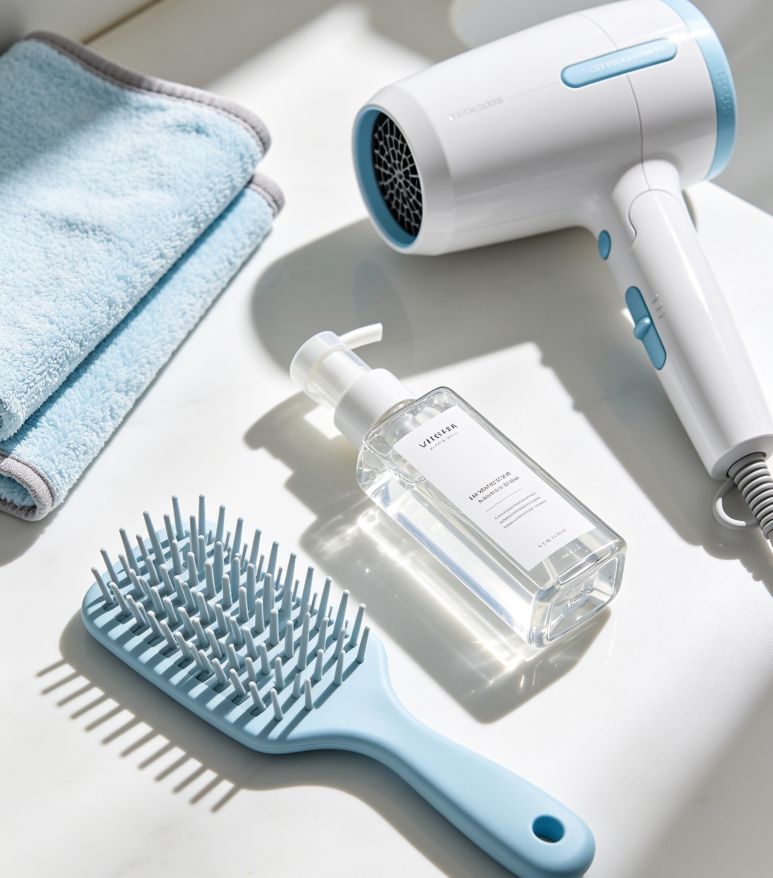
Everyday grooming habits can play a major role in the long-term health and appearance of hair. A busy morning often begins with a quick brush, a blast of heat from a styling tool, and a dash out the door without much thought about how those small routines add up over time. Many people eventually seek guidance from professionals, including services such as The Beauty Edit salon, to better understand how daily habits affect hair and how personalized advice can complement consistent home care.
Hair damage rarely develops overnight. It usually results from repeated exposure to heat, friction, sunlight, pollution, harsh chemicals, and simple maintenance mistakes. While modern products can temporarily improve the look of damaged strands, preventing excessive wear is often a more reliable approach than trying to repair severe structural changes once they occur.
Research published by the International Journal of Trichology explains that the hair shaft can become weaker when its protective outer layer, known as the cuticle, experiences repeated physical or chemical stress. The good news is that many common causes of damage can be reduced through practical daily habits.
1. Treat Wet Hair with Extra Care
Freshly washed hair is more vulnerable because water temporarily changes its physical properties, making strands stretch more easily. Pulling aggressively with a brush or rubbing hair vigorously with a towel increases friction that may lead to breakage.
Experts from the American Academy of Dermatology Association recommend gently detangling from the ends upward using a wide-toothed comb. Patting hair dry with a soft towel or microfiber cloth instead of rubbing can also reduce unnecessary stress on the cuticle.
2. Make Heat Styling an Occasional Tool Instead of a Daily Routine
Flat irons, curling irons, and high-temperature blow dryers create polished styles, but repeated exposure to excessive heat gradually weakens hair fibers.
Research published in the Annals of Dermatology found that high temperatures can damage the hair cuticle and alter the internal structure of the hair shaft. Using lower heat settings whenever possible, allowing hair to air dry part of the time, and applying heat protectant products before styling can help minimize this risk.
Think of heat like sunlight on fabric. A single afternoon rarely causes noticeable fading, but repeated exposure eventually changes the material.
3. Brush Gently and Only as Much as Necessary
Many people grew up believing that brushing hair one hundred times each day was beneficial. Modern hair science suggests otherwise.
The Cleveland Clinic explains that excessive brushing creates mechanical friction that may contribute to split ends and broken strands. Gentle brushing is useful for distributing natural oils and removing tangles, but forceful or unnecessary brushing may do more harm than good.
Selecting a brush designed for your hair texture and brushing slowly instead of pulling through knots helps reduce tension on individual strands.
4. Protect Hair from Sun and Environmental Exposure
Hair faces the environment every day. Ultraviolet radiation, wind, humidity, pollution, and even chlorinated swimming pools gradually affect its condition.
Studies discussed by the Journal of Cosmetic Dermatology indicate that prolonged UV exposure can weaken hair proteins while fading both natural and colored hair. Wearing hats during extended outdoor activities, rinsing hair after swimming, and using products with UV protection can help reduce cumulative environmental damage.
These small preventive measures work much like applying sunscreen to protect skin before problems develop.
5. Support Hair with Balanced Nutrition
Healthy-looking hair begins beneath the surface. Hair follicles depend on nutrients supplied through the bloodstream, making overall nutrition an important part of hair wellness.
The Harvard T.H. Chan School of Public Health notes that adequate protein, iron, zinc, essential fatty acids, and several vitamins contribute to normal hair growth and maintenance. While supplements may be appropriate for certain deficiencies under medical guidance, most people benefit from maintaining a balanced diet that includes lean proteins, vegetables, fruits, whole grains, and healthy fats.
Hydration also supports overall body function, although water alone cannot reverse damaged hair.
6. Schedule Regular Trims Instead of Waiting for Split Ends to Spread
Hair naturally experiences wear over time, especially at the ends where strands are oldest. Once a split develops, it cannot permanently rejoin.
Professionals within the American Academy of Dermatology Association explain that trimming damaged ends prevents splits from traveling farther up the hair shaft, where breakage becomes more noticeable. The ideal trimming schedule varies depending on hair type, styling habits, and individual goals.
Regular salon consultations can help people determine appropriate maintenance intervals without removing unnecessary length.
7. Choose Hair Care Based on Your Hair’s Needs Rather Than Trends
Social media constantly introduces new styling methods, treatments, and products. While some innovations offer genuine benefits, others may not suit every hair type.
Dermatology specialists encourage individuals to consider factors such as scalp condition, hair texture, chemical treatment history, and lifestyle before adopting new routines. Similar to the growing emphasis on personalized preventive care in healthcare, choosing hair care based on individual needs often produces more meaningful long-term results than following general trends.
Professional consultations can help identify habits that deserve attention while keeping expectations realistic. Daily routines remain the foundation, while customized treatments simply build on that foundation rather than replace it.
Small Habits Shape Long-Term Results
Hair resembles a favorite piece of clothing. Gentle care over many years preserves its strength, while repeated rough handling slowly shortens its lifespan. Most visible damage develops gradually, making prevention far easier than correction.
Scientific understanding continues to reinforce a simple idea: healthy hair depends less on occasional intensive treatments and more on steady everyday choices. Thoughtful brushing, moderate heat styling, balanced nutrition, environmental protection, and periodic professional guidance all contribute to stronger, healthier-looking hair over time. As more people embrace preventive wellness across different areas of life, hair care is increasingly becoming another example of how consistent daily habits often produce the most lasting results.