
The city of London, with its rich history and vibrant culture, is a global economic hub and a center of healthcare excellence. The health landscape of this city is as diverse as its population, and the city’s commitment to providing quality healthcare is reflected in its robust healthcare system, strategic policies, and public health interventions.
Demographic Profile and Health Indicators
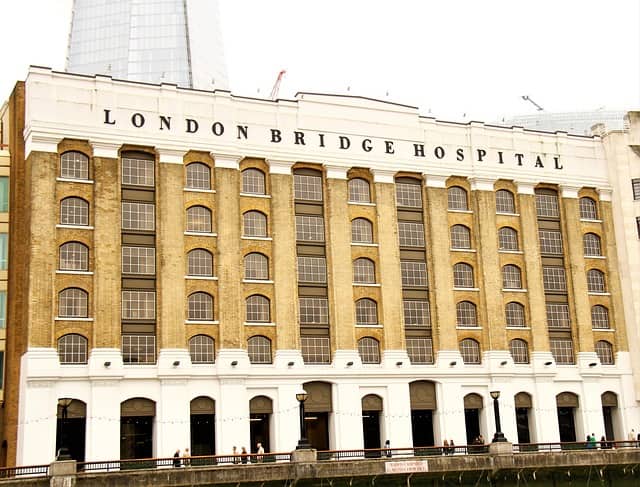
It is a melting pot of diverse communities encompassing various ethnicities, languages, and cultures. With a population exceeding 8 million, the city presents unique health challenges. Life expectancy here is comparable to the national average, reflecting the city’s access to quality healthcare services and resources. However, health disparities across different boroughs highlight the need for targeted interventions.
Healthcare System and Infrastructure
London boasts a world-class healthcare system supported by a network of public and private hospitals, clinics, and specialized medical centers. The National Health Service (NHS) is pivotal in delivering healthcare services to its people.
From primary care to advanced tertiary services, the city’s healthcare infrastructure is well-equipped to address various health needs.
Major Health Issues and Priorities
While it has made significant strides in improving health outcomes, challenges persist. Mental health has become a primary concern, exacerbated by the fast-paced urban lifestyle. Additionally, obesity rates are a pressing issue, with initiatives promoting healthier diets and active lifestyles. Addressing health inequalities and ensuring equal access to healthcare remain critical priorities for policymakers.
Public Health Interventions and Policies
London’s local authorities have implemented a range of public health interventions to tackle pressing health issues. Programs promoting physical activity, mental well-being, and healthy eating are prevalent across the city. The “Healthy London Partnership” is a collaborative platform for various stakeholders to work together to address health challenges. Furthermore, initiatives like “London’s Air Quality Strategy” underline the city’s commitment to environmental health.
The city’s health landscape reflects its dynamic and diverse population. The city’s healthcare system, supported by the NHS and a well-established infrastructure, underscores its dedication to providing quality care. It strives to create a healthier and more equitable urban environment by targeting major health issues through strategic interventions and policies.